Blog

  • What Pilling Actually Tells You About a Jumper

    What Pilling Actually Tells You About a Jumper

    The least bobbly of the three garments I pulled out for this article cost me £8.

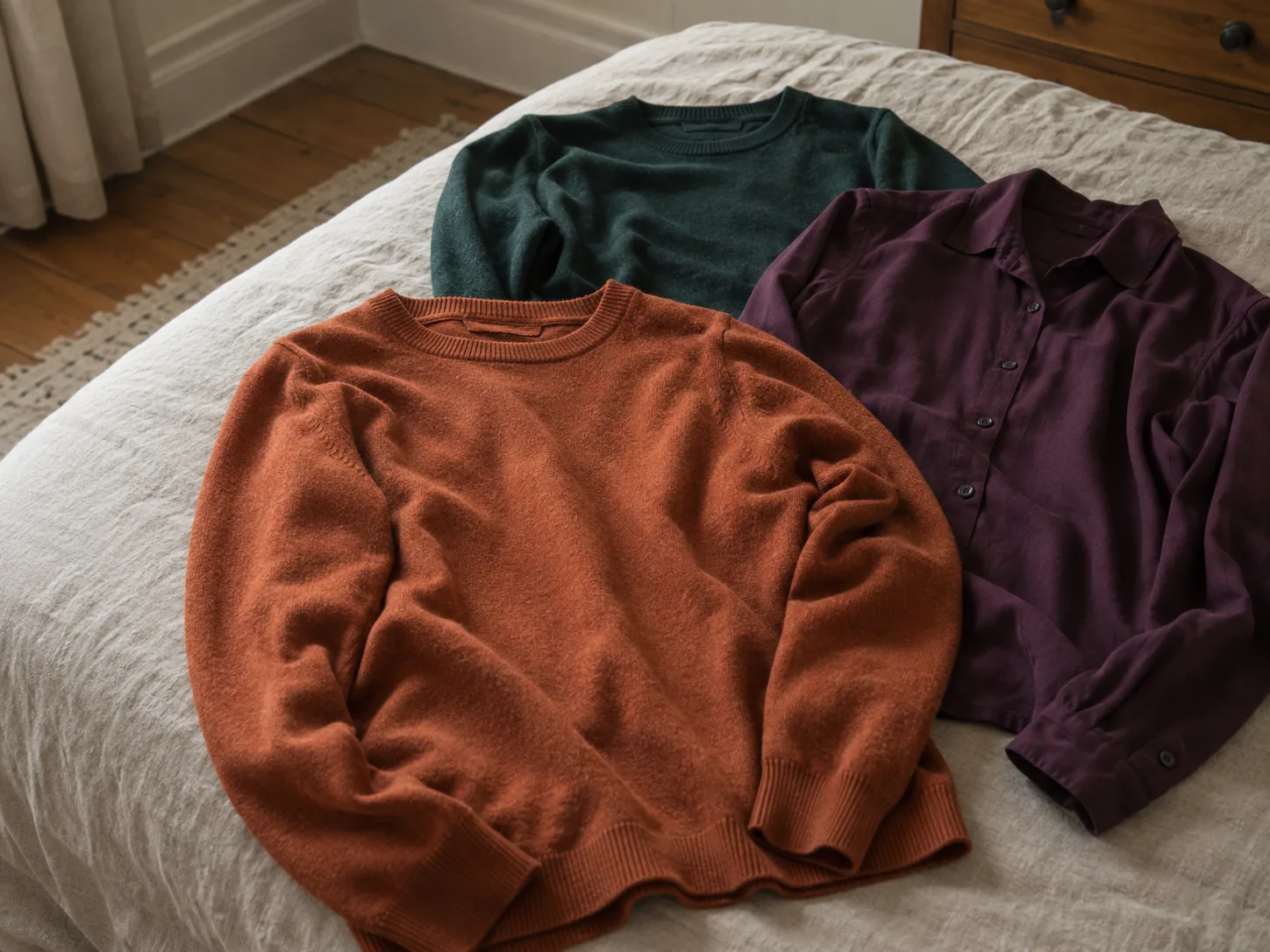
    It is a muted rust cotton crew-neck jumper from a charity shop, about two years old, with a surface that still looks remarkably clean from ordinary standing distance. Its left side seam has also wandered several centimetres towards the front and the hem no longer hangs quite level. If pilling were a complete quality test, this thing would be winning.

    The most expensive is a dark bottle-green cashmere jumper I bought new in an end-of-season sale for £110. It has done five winters. The ribbing is still good, the shape still works and I still want to wear it. It also has fine pills beneath the arms and along the sides. I noticed more of them during its first couple of winters than I do now, and I have combed the surface lightly on a few occasions.

    The third garment is not a jumper at all. It is the deep plum polyester-viscose shirt I bought on Vinted for £11 plus postage, and it is here because it has the most useful history. I have already taken a debobbler to it once. The surface improved. After more wear, some of the bobbling came back.

    Continue reading
  • The Shirt Collar Used to Need Its Own Box

    The Shirt Collar Used to Need Its Own Box

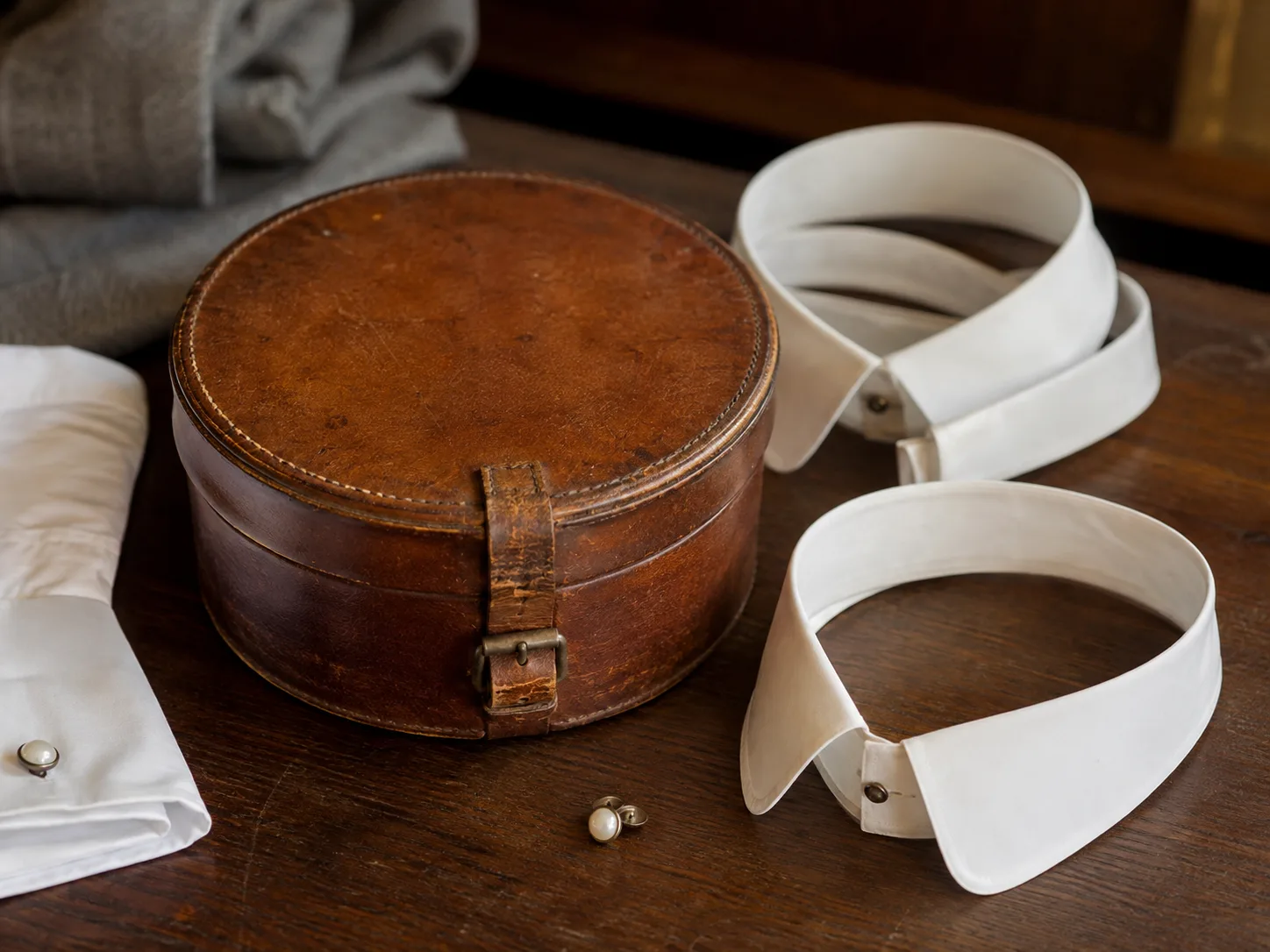
    Museums Victoria has a small round leather case in its collection that looks, at first, like the sort of thing I would pick up in an antiques shop without knowing what I wanted it for.

    It is brown leather with obvious stitching around the edges. A strap and buckle hold the lid down. Inside, the box is lined in pale shot silk.

    It contains nine shirt collars.

    Not nine shirts. Nine collars.

    They are stiff and white, curved into the shape they would take around a neck and stacked inside the case.

    Continue reading
  • How to Buy Second-Hand Shoes — and When Not To

    How to Buy Second-Hand Shoes — and When Not To

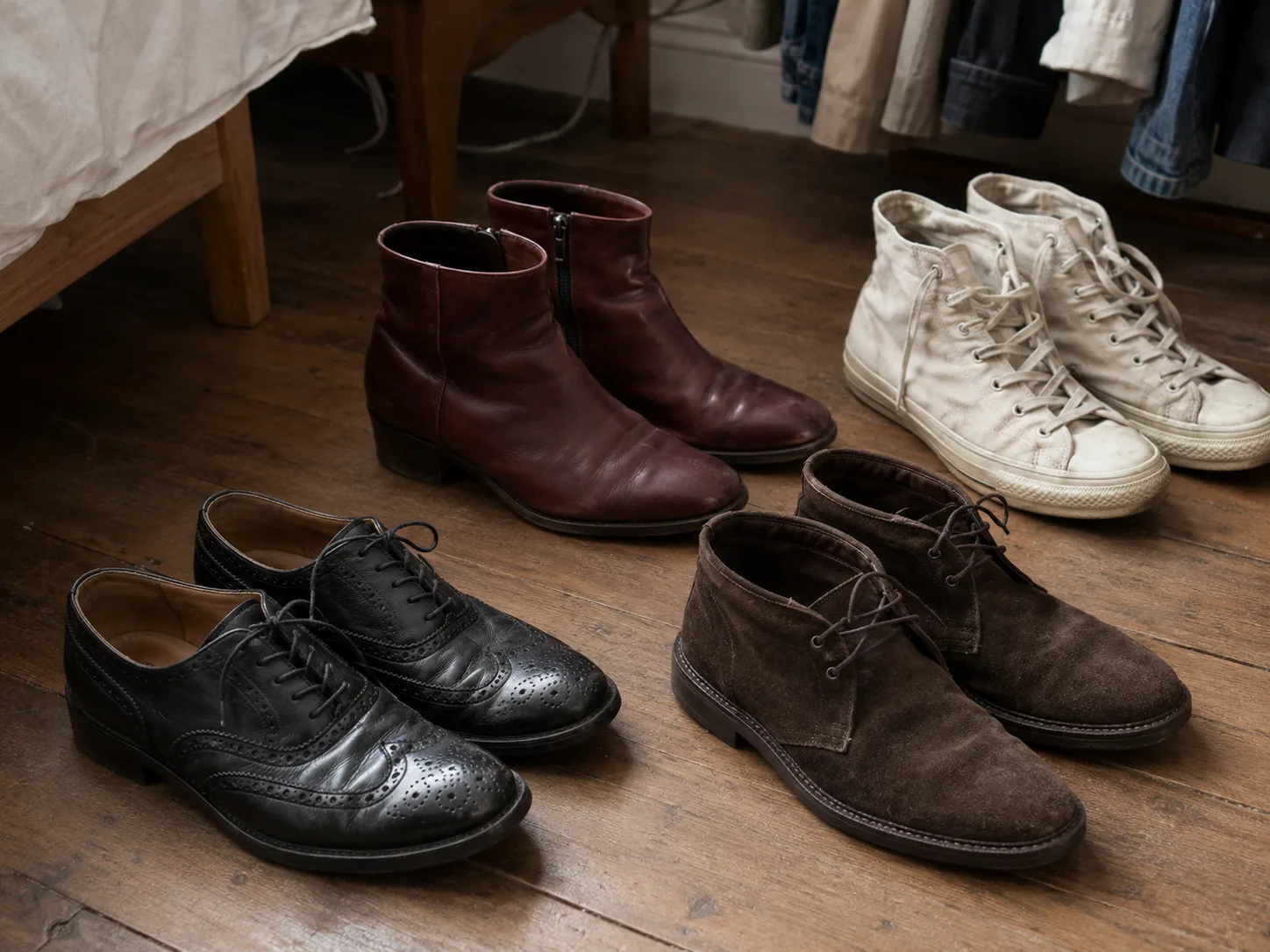
    I had four pairs of shoes on the bedroom floor before I went shopping.

    This was less organised than it sounds. I had started with the black brogues because I knew I had worn them for years, then fetched the burgundy boots because I wear those much less often, then the suede chukkas because suede changes differently, and finally a pair of grubby off-white high-tops because four pairs of serious leather footwear lined up beside the bed was beginning to look like evidence seized from a very specific crime.

    Continue reading
  • How to Wear a Dramatic Shirt Without Looking Like Costume

    How to Wear a Dramatic Shirt Without Looking Like Costume

    Edinburgh sent me home with six shirts. Most of them have the long, sharp points I tend to call dagger collars, which was one of the reasons I bought them in the first place. I like 1970s clothes generally, particularly the Bee Gees end of the decade, and that collar is annoyingly difficult to find without buying something that has already survived the decade in question. The original Edinburgh piece records the six shirts and how unusually easy those pointed collars were to find there.

    One of the six has become the one I keep taking off the hanger.

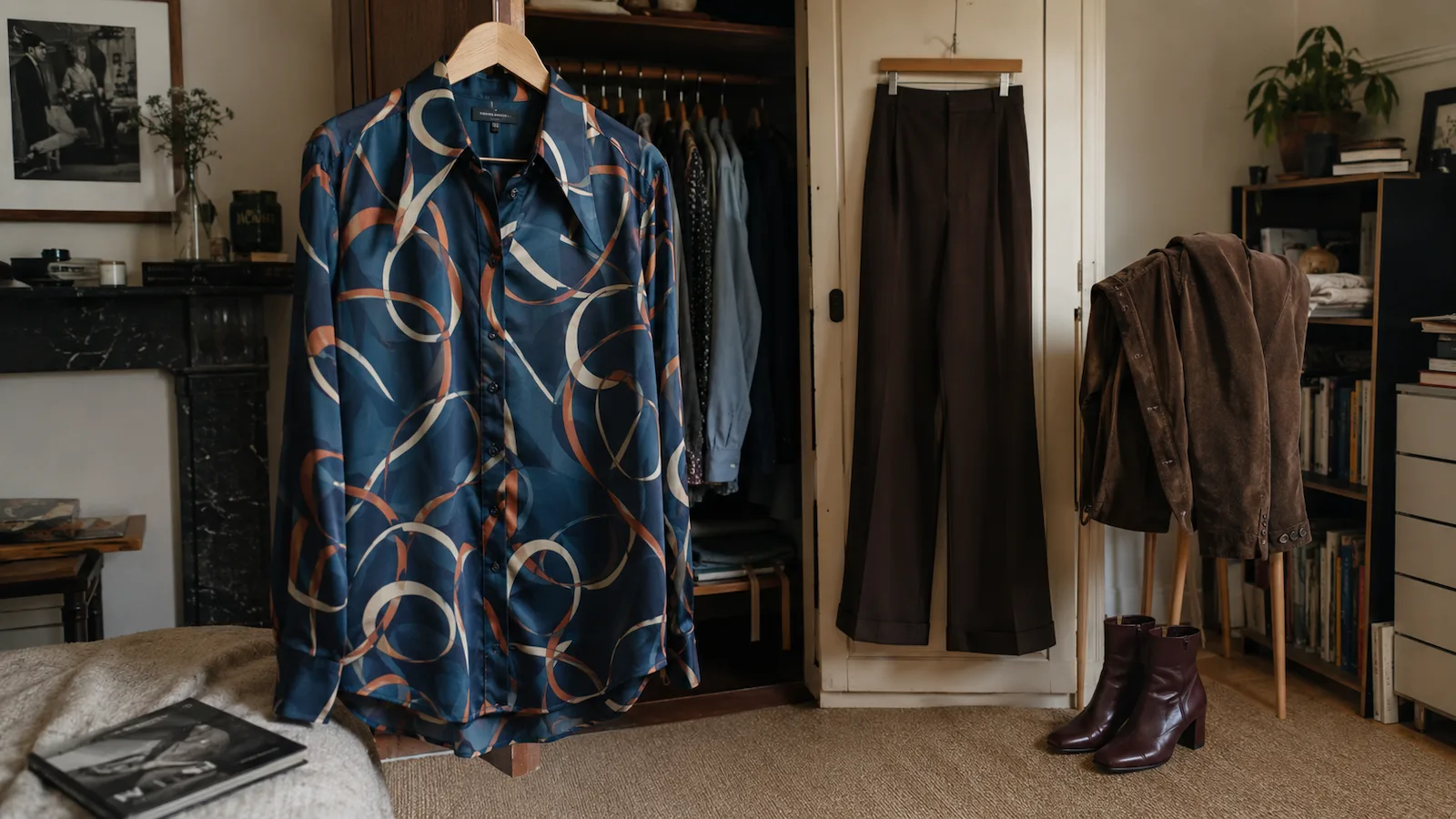
    It is dark petrol blue, printed with large looping shapes in cream and rusty orange. The polyester has a soft sheen and hangs rather than stands; there is plenty of cloth through the body, full-length sleeves ending in simple button cuffs, and the sleeves are just long enough to make me wonder whether I am going to alter them or continue pretending they are deliberate.

    The collar has the same exaggerated points that drew me to the other Edinburgh shirts. The older name for that shape is the Barrymore collar — a turnover collar with unusually long, tapered points, named for actor John Barrymore. Donna May Bewley’s Regional Differences of Shirt Colors, Collars and Fabrics of 1928–1931 records the Barrymore shirt on some West Coast campuses in 1928, well before the shape’s later 1970s revival.

    That is all the collar history this shirt is getting.

    Continue reading
  • When Is a Split Coat Lining Actually Worth Repairing?

    When Is a Split Coat Lining Actually Worth Repairing?

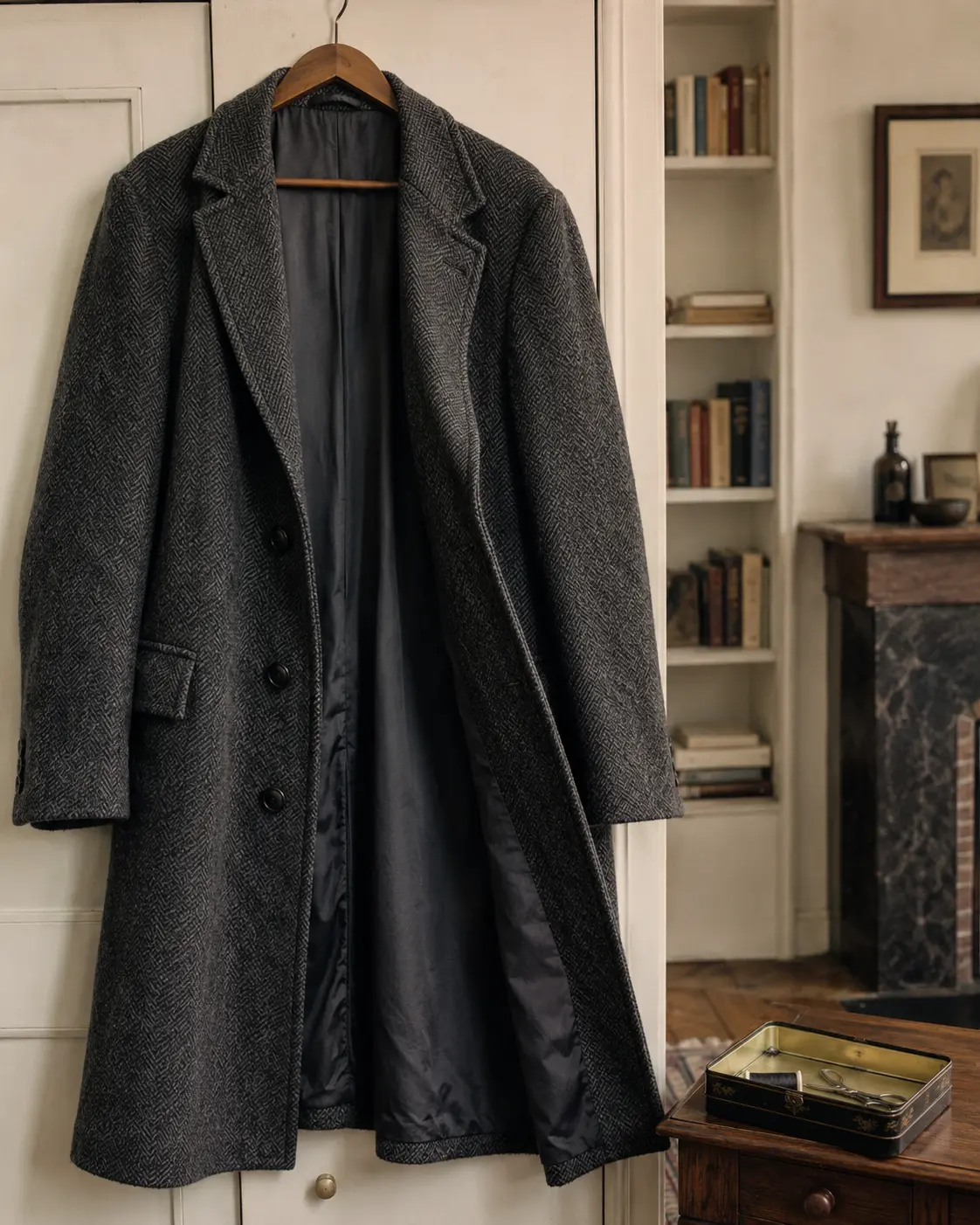
    I called the split lining in my £40 herringbone coat a boring fault.

    A few days earlier, I had left another wool coat in a charity shop after becoming considerably too attached to it before the evidence had finished arriving. It had wear at the cuff, a tired lining and shoulders that were not quite right. The shoulders were enough to end the discussion, but by then I had already mentally brushed the coat, repaired it and worn it through November.

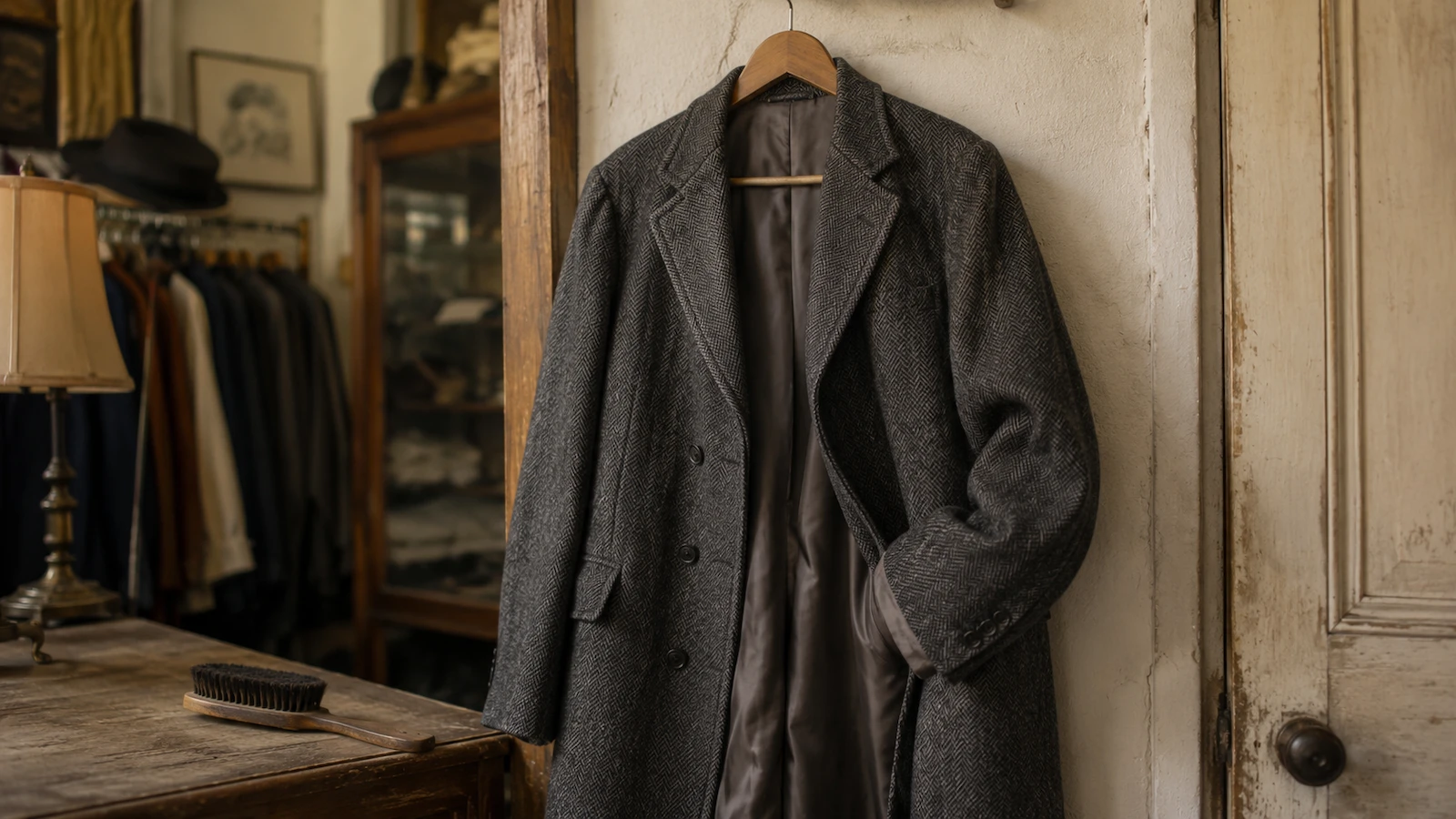
    The charcoal herringbone coat was different. Its outer cloth was sound, the cuffs and pocket edges were intact, the shoulders fitted, and inside there was one short opening in the lining seam beside a pocket. I bought it, secured the loose button and closed the lining seam at home. It is now hanging in the wardrobe with the repair already done, which means this is not the exciting tale of whether I successfully learnt to use a needle. I already knew I could sew the seam.

    The more useful question is why I was willing to call that particular opening boring when another tired lining made me wary.

    What, exactly, has to be wrong before a split lining stops being a small repair?

    Continue reading
  • The Eight Megabytes I Keep Refusing to Check

    The Eight Megabytes I Keep Refusing to Check

    Last winter I emptied the bottom drawer beside my bed because it had stopped closing without pressure.

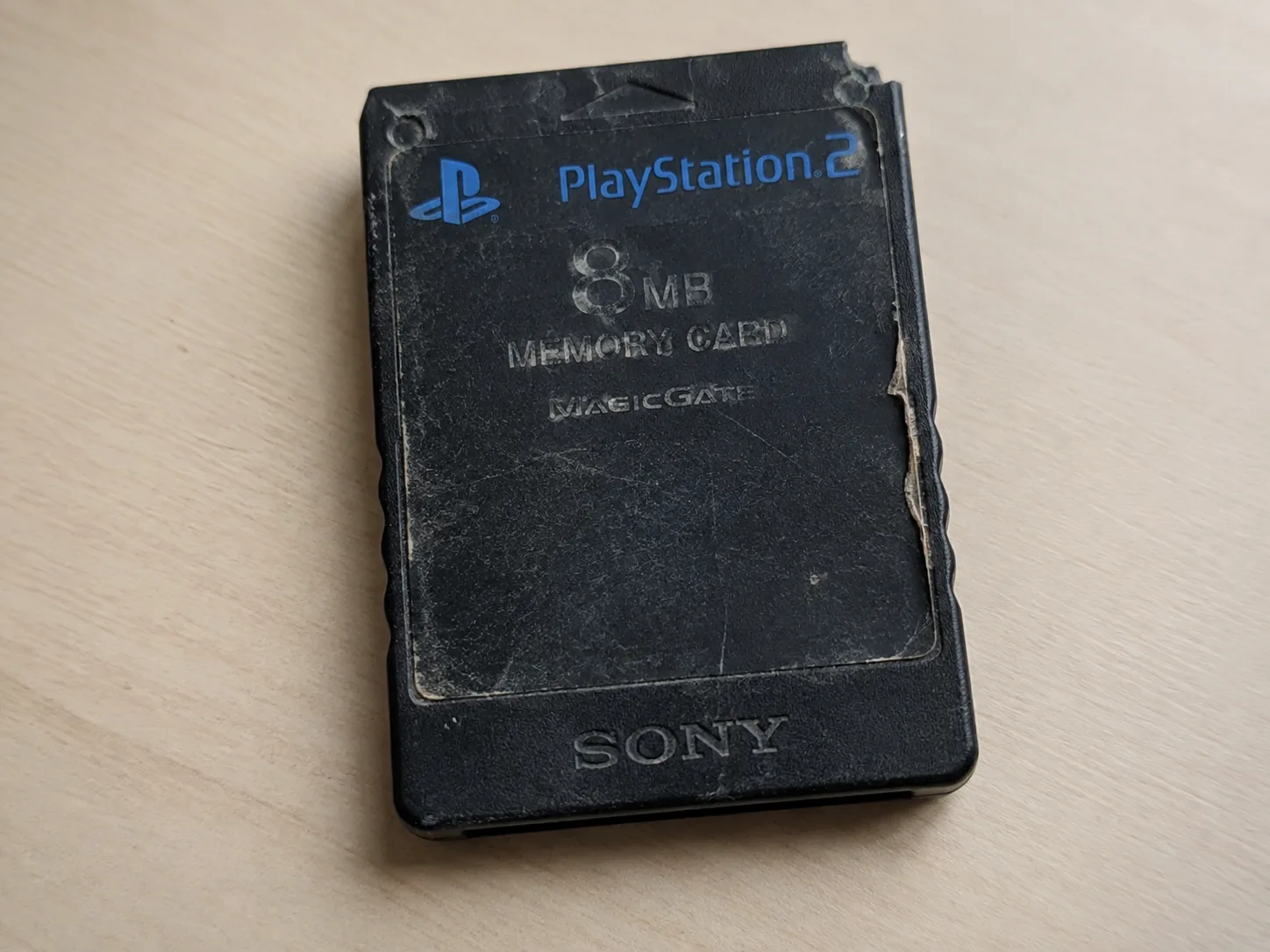
    The contents were mostly the sort of small electronic debris that survives because throwing any one piece away feels premature: USB sticks, SD-card adapters, cables whose original purpose has become increasingly theoretical. In among them was a black PlayStation 2 memory card.

    It made it into the pile to go.

    I was holding the solution. Then I picked the card back out because I did not know what was on it.

    That is why I still own it.

    Continue reading
  • How to Dress With Character for a Desk Job

    How to Dress With Character for a Desk Job

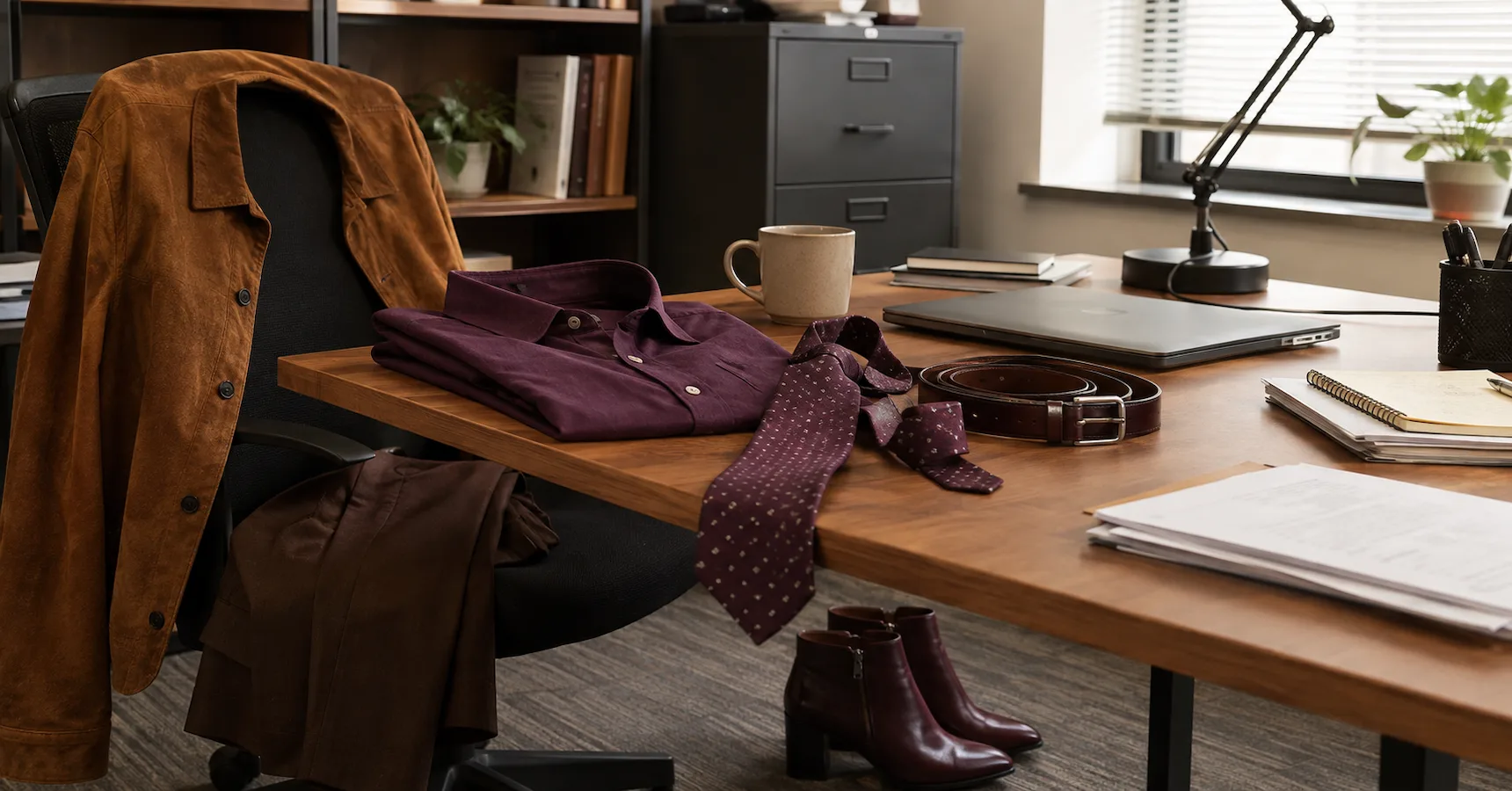
    By half past two, most office clothes have been through more testing than they ever receive in a fitting room.

    The waistband has spent hours folded at the hip. The back of the shirt has been against a chair back. Sleeves have crossed a desk several hundred times. The shoes have done the commute, and anything too warm has discovered what office heating thinks of personal ambition.

    There is another problem peculiar to desk jobs. For most of the working day, nobody can see most of what you are wearing.

    The desk has edited the outfit for you.

    Your trousers disappear somewhere around the waist. Your shoes cease to exist until you stand up. The jacket has usually been left elsewhere. What remains is a much tighter composition: face, collar, shoulders, sleeves and hands.

    If I want an outfit to look like mine at work, that is the part I start with.

    Continue reading
  • Something Has to Leave: How to Decide Which Clothes Go

    Something Has to Leave: How to Decide Which Clothes Go

    Yesterday I ended an article about my new £40 herringbone coat by saying that something in the wardrobe might eventually have to leave.

    I also said I had decided not to think about that today.

    Today arrived.

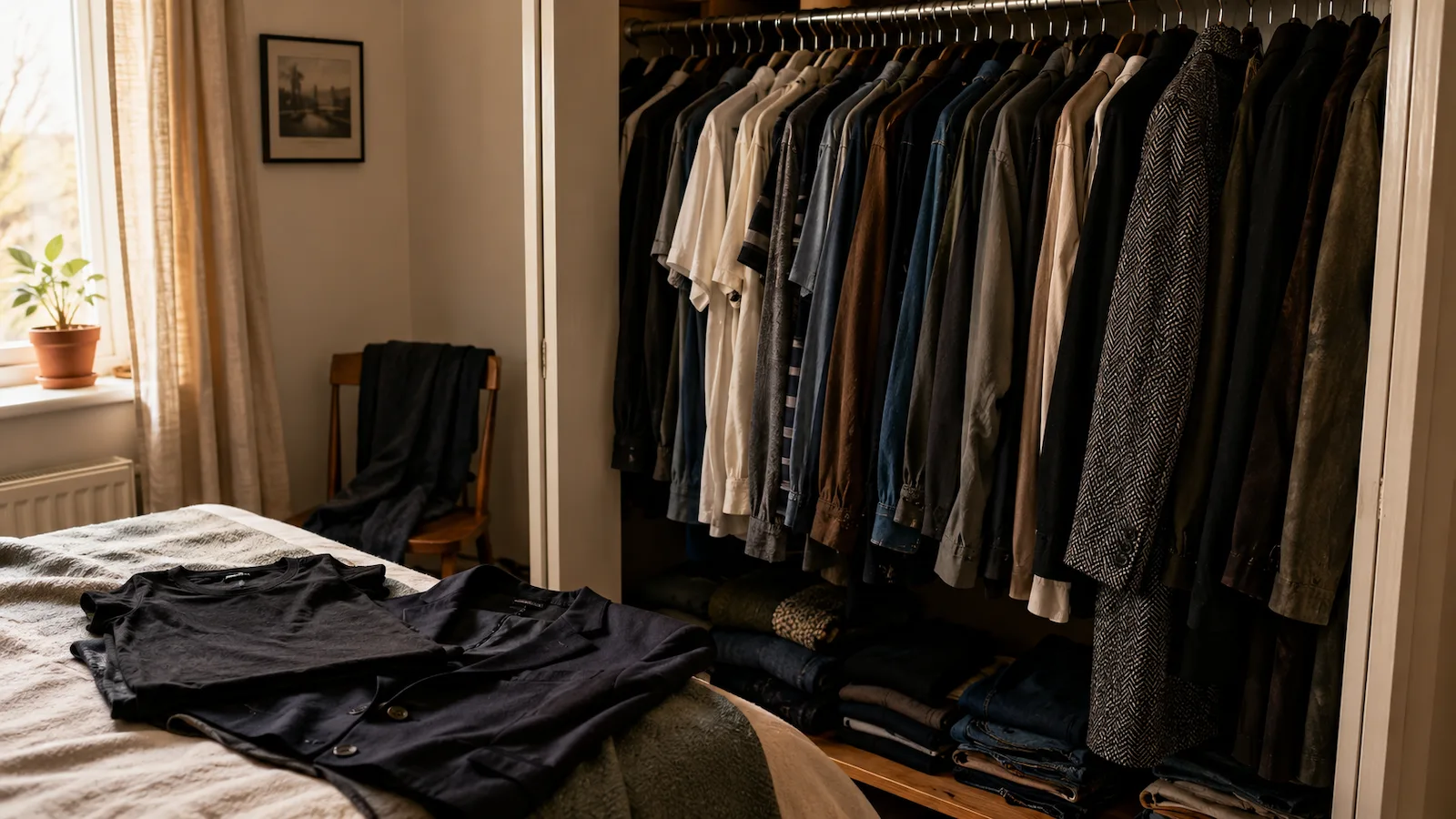
    The coat fits beautifully. The wardrobe does not. I share a small bedroom, there is no neglected dressing room waiting to absorb another rail, and pushing the hangers together more firmly has reached the point where it is no longer storage so much as compression.

    Fortunately, having very little room has accidentally given me a reasonably good system for working out what I actually wear.

    Continue reading
  • How to Buy a Second-Hand Coat That Survives More Than One Winter

    How to Buy a Second-Hand Coat That Survives More Than One Winter

    A few days ago, I left a wool coat in a charity shop.

    It had done almost everything required to make me unreasonable about it: dark cloth, proper length, good lapels and enough weight to feel like an actual winter coat rather than a decorative approximation of one.

    Then I put it on.

    The shoulders were wrong.

    The coat was not bad. It was simply somebody else’s coat, despite the ten minutes I had already spent mentally brushing it, repairing it and wearing it through November.

    That near-miss stayed with me, so at the weekend I went back into town with a much narrower brief. I worked through three charity shops and one small second-hand shop, handled every plausible coat I found and tried on five of them.

    Continue reading
  • How to Look After Velvet, Silk and Other Fabrics That Ruin Easily.

    How to Look After Velvet, Silk and Other Fabrics That Ruin Easily.

    ‘Delicate’ is an annoyingly vague word.

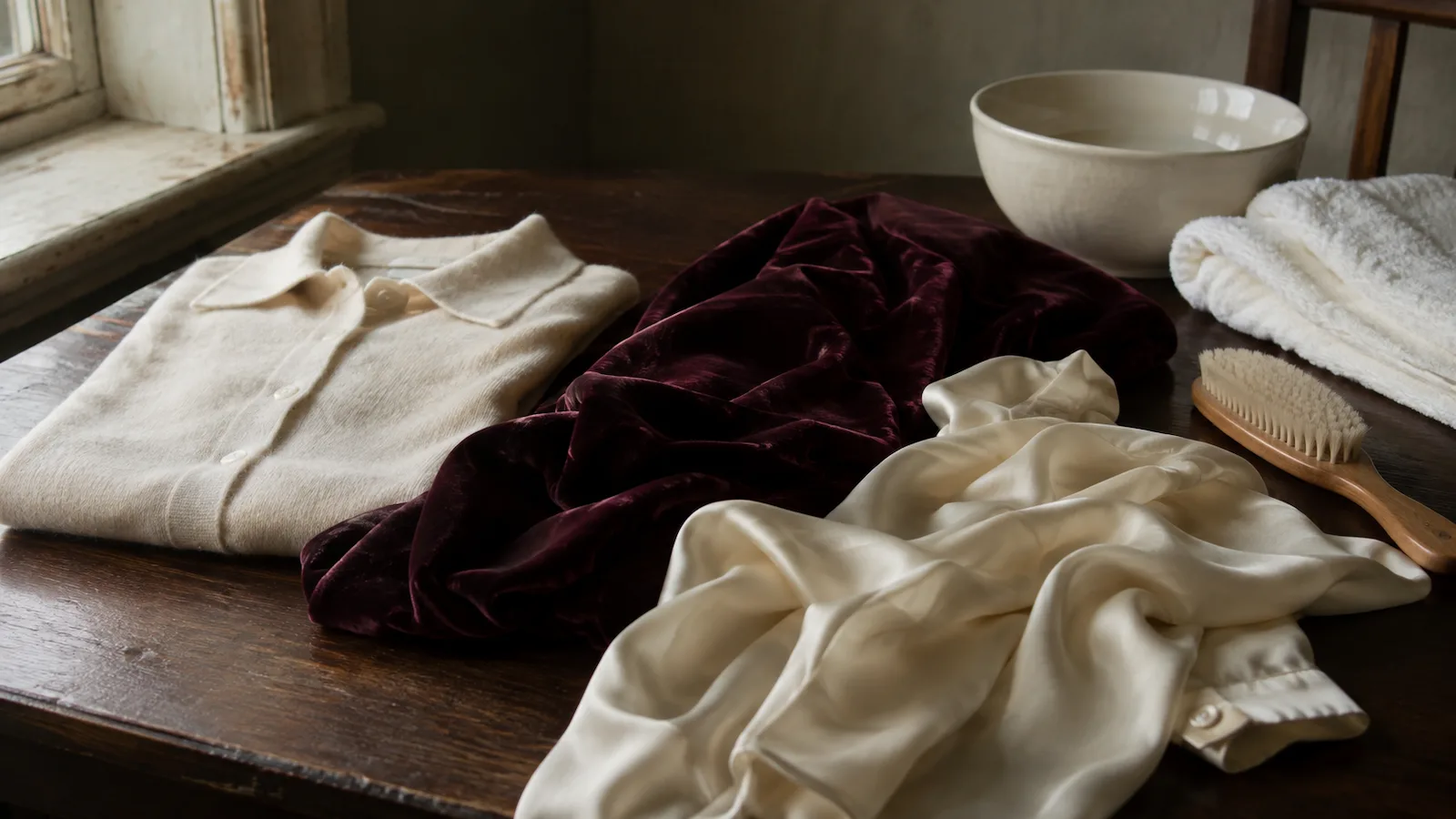
    A silk blouse, velvet jacket and cashmere shirt can all qualify, but they are not delicate in the same way. Velvet has a pile that can be flattened. Silk can mark, snag or react badly to the wrong treatment. Knitted cashmere can shrink or lose its shape. Add lining, interfacing, beading or an unstable dye and the fabric itself may no longer be the most vulnerable part of the garment.

    This is why I distrust the idea that delicate clothes simply belong on the washing machine’s delicates setting. Sometimes they do. Sometimes that is how a perfectly good garment acquires an entirely new silhouette.

    The useful question is not “Is this fabric delicate?”

    It is: what could actually go wrong with this particular garment?

    Continue reading