Category: Wardrobe

Build a wardrobe with character, one useful piece at a time. Explore practical guidance on vintage and second-hand clothing, fit, fabric, quality, styling and everyday wearability.

  • How to Buy Second-Hand Shoes — and When Not To

    How to Buy Second-Hand Shoes — and When Not To

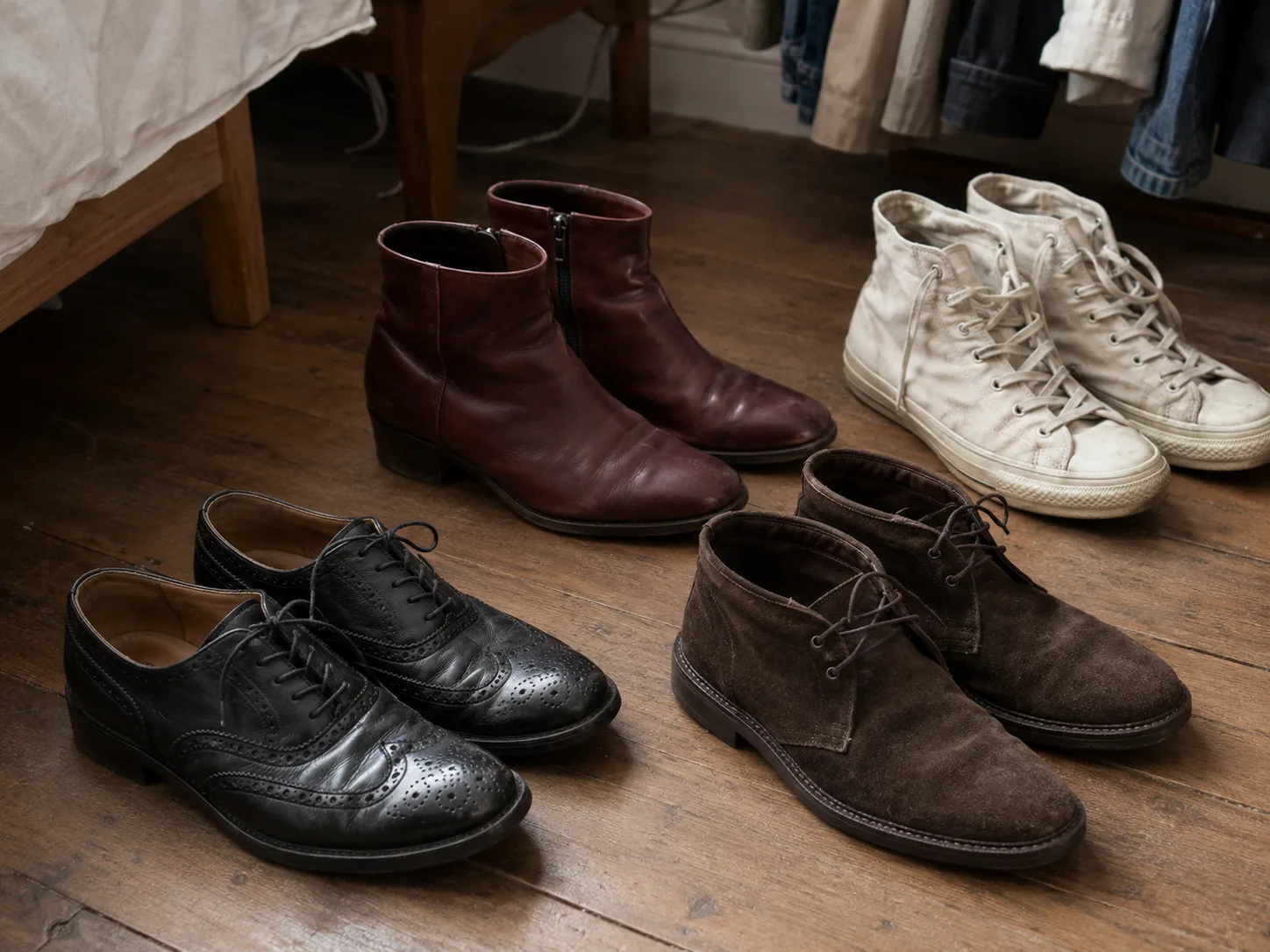
    I had four pairs of shoes on the bedroom floor before I went shopping.

    This was less organised than it sounds. I had started with the black brogues because I knew I had worn them for years, then fetched the burgundy boots because I wear those much less often, then the suede chukkas because suede changes differently, and finally a pair of grubby off-white high-tops because four pairs of serious leather footwear lined up beside the bed was beginning to look like evidence seized from a very specific crime.

    Continue reading
  • How to Dress With Character for a Desk Job

    How to Dress With Character for a Desk Job

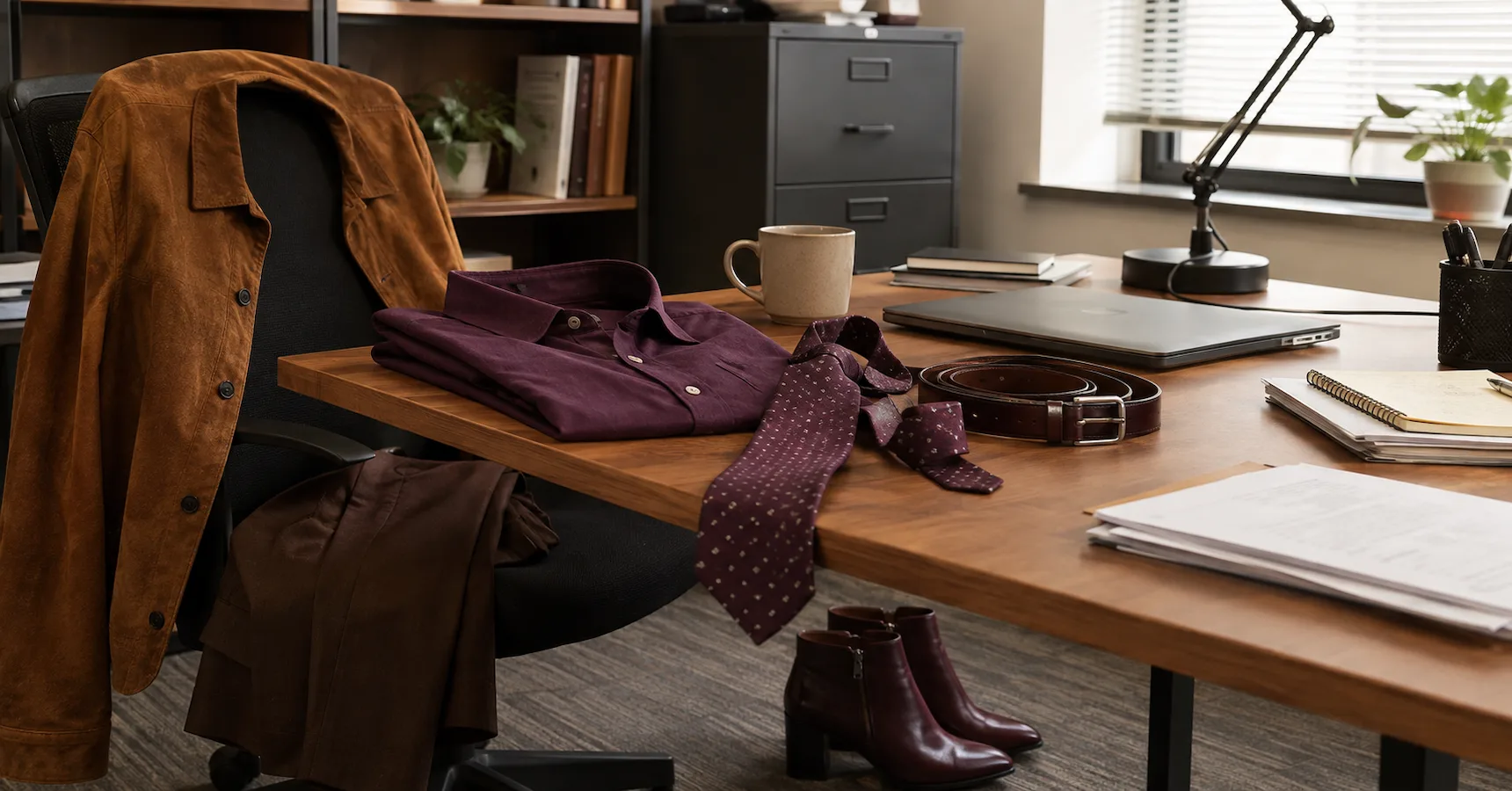
    By half past two, most office clothes have been through more testing than they ever receive in a fitting room.

    The waistband has spent hours folded at the hip. The back of the shirt has been against a chair back. Sleeves have crossed a desk several hundred times. The shoes have done the commute, and anything too warm has discovered what office heating thinks of personal ambition.

    There is another problem peculiar to desk jobs. For most of the working day, nobody can see most of what you are wearing.

    The desk has edited the outfit for you.

    Your trousers disappear somewhere around the waist. Your shoes cease to exist until you stand up. The jacket has usually been left elsewhere. What remains is a much tighter composition: face, collar, shoulders, sleeves and hands.

    If I want an outfit to look like mine at work, that is the part I start with.

    Continue reading
  • Something Has to Leave: How to Decide Which Clothes Go

    Something Has to Leave: How to Decide Which Clothes Go

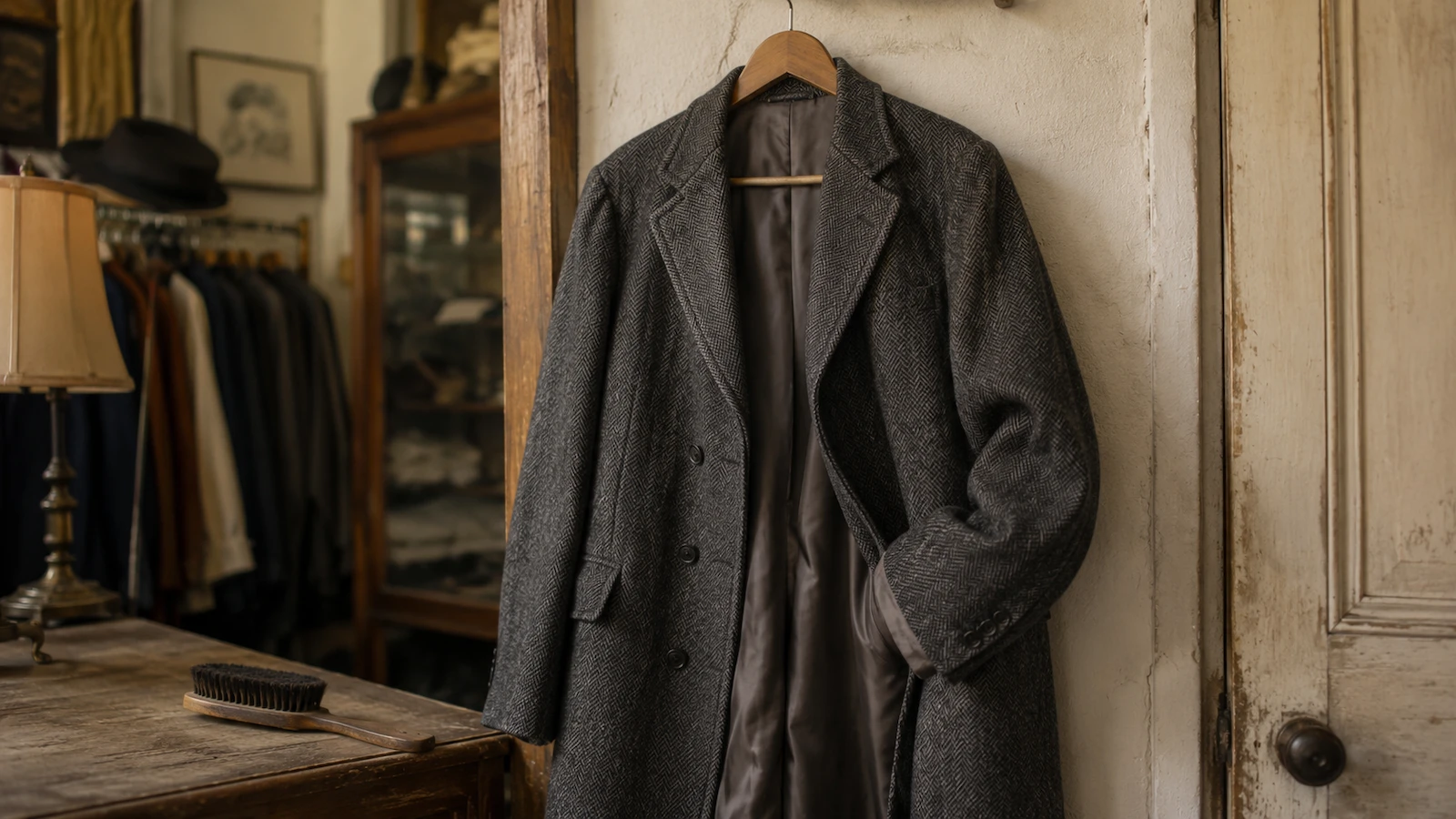
    Yesterday I ended an article about my new £40 herringbone coat by saying that something in the wardrobe might eventually have to leave.

    I also said I had decided not to think about that today.

    Today arrived.

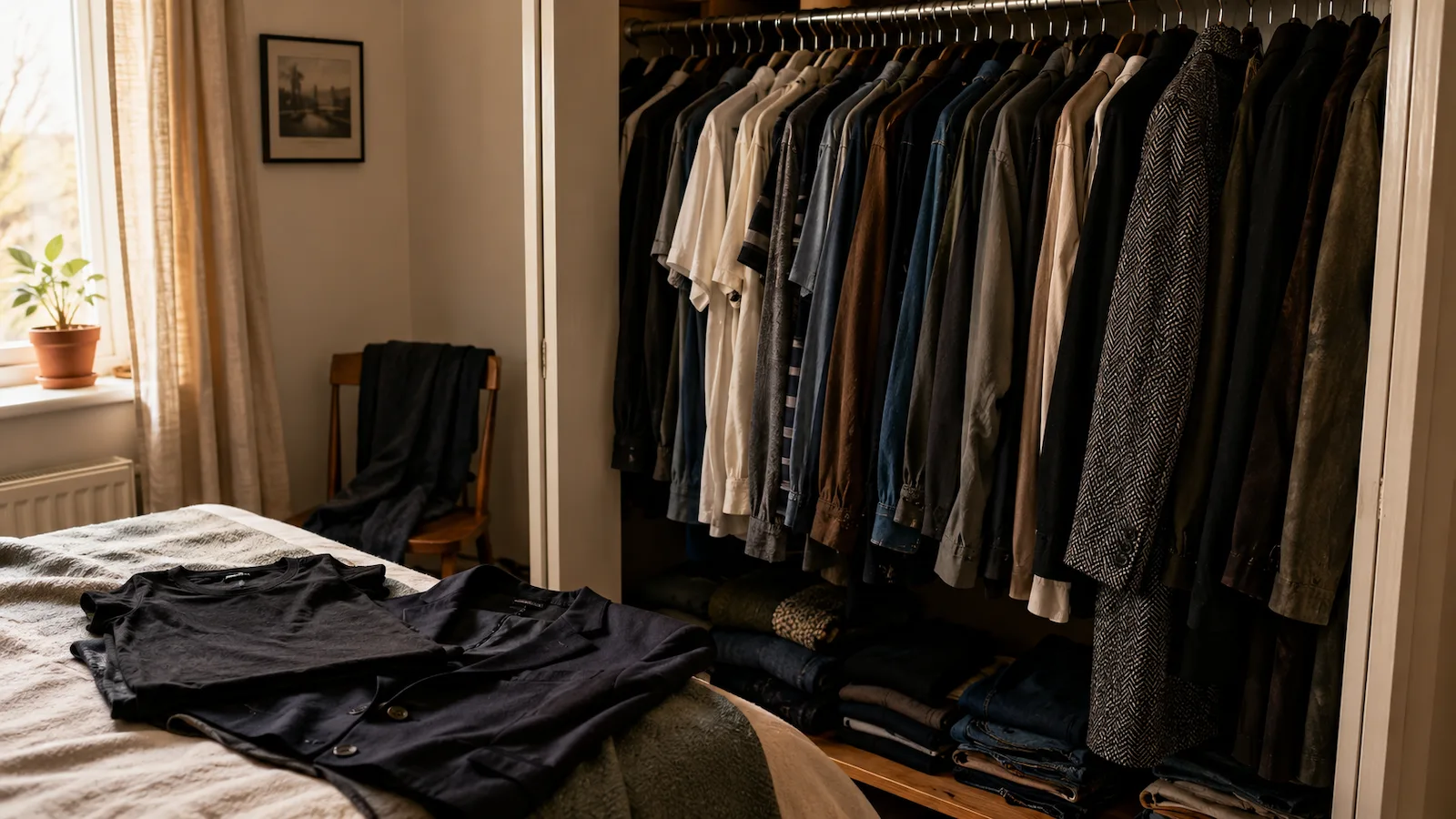
    The coat fits beautifully. The wardrobe does not. I share a small bedroom, there is no neglected dressing room waiting to absorb another rail, and pushing the hangers together more firmly has reached the point where it is no longer storage so much as compression.

    Fortunately, having very little room has accidentally given me a reasonably good system for working out what I actually wear.

    Continue reading
  • How to Buy a Second-Hand Coat That Survives More Than One Winter

    How to Buy a Second-Hand Coat That Survives More Than One Winter

    A few days ago, I left a wool coat in a charity shop.

    It had done almost everything required to make me unreasonable about it: dark cloth, proper length, good lapels and enough weight to feel like an actual winter coat rather than a decorative approximation of one.

    Then I put it on.

    The shoulders were wrong.

    The coat was not bad. It was simply somebody else’s coat, despite the ten minutes I had already spent mentally brushing it, repairing it and wearing it through November.

    That near-miss stayed with me, so at the weekend I went back into town with a much narrower brief. I worked through three charity shops and one small second-hand shop, handled every plausible coat I found and tried on five of them.

    Continue reading
  • What Charity Shops Actually Have

    What Charity Shops Actually Have

    The internet has given charity shops an inventory problem.

    Watch enough second-hand shopping videos and you begin to suspect that every British high street contains a dimly lit room full of 1970s suede jackets, hand-knitted Aran jumpers, forgotten designer tailoring and one immaculate leather bag priced by somebody who has never heard of the internet.

    Then you go in.

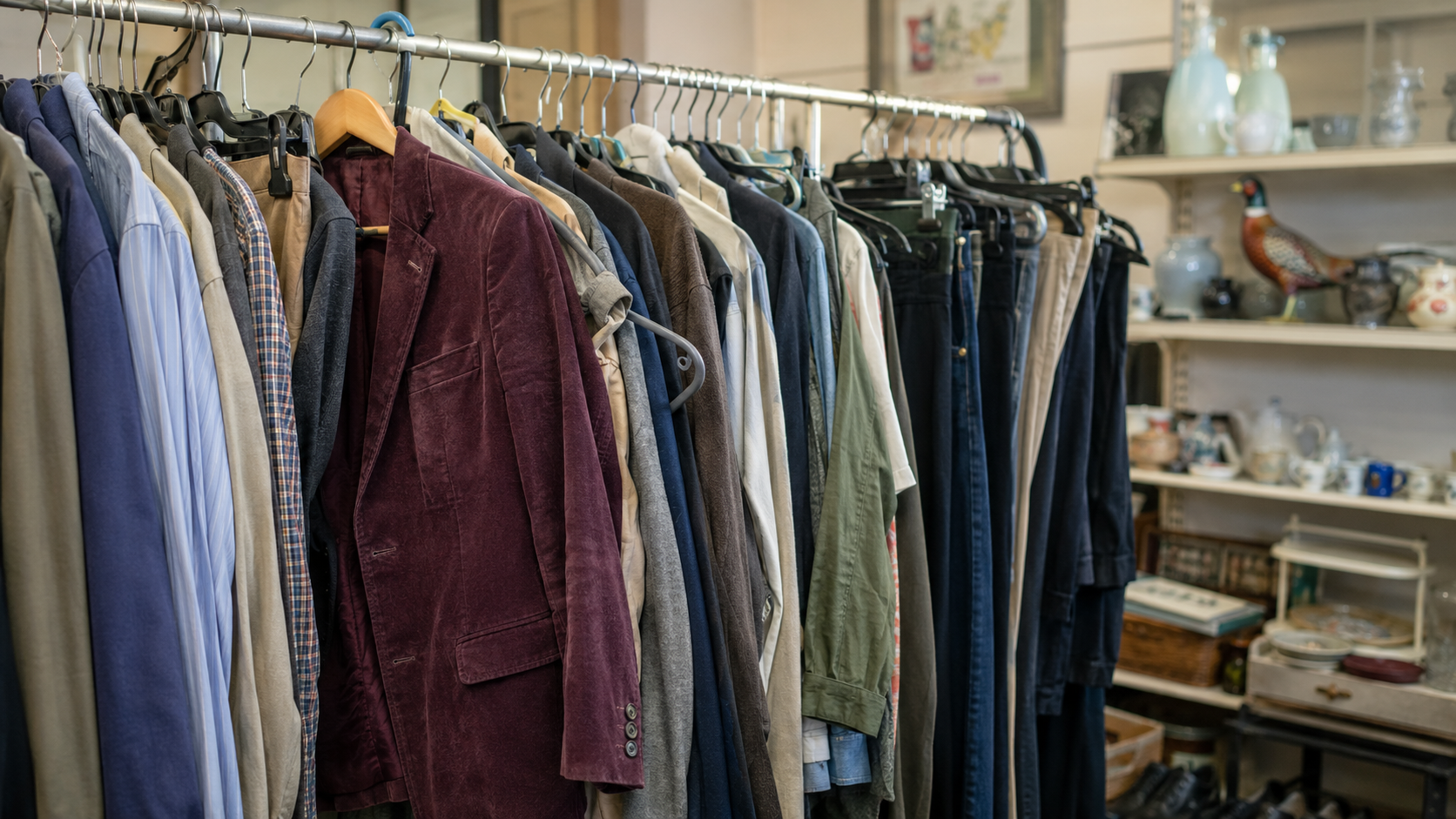
    There are six pairs of skinny jeans, a supermarket blouse, three dresses from the same fast-fashion chain, a mug commemorating an event you did not attend and a suspicious number of copies of the same celebrity autobiography.

    This is not evidence that you have found a bad charity shop. It is evidence that you have found a charity shop.

    Continue reading
  • Vintage Shops in Edinburgh for Menswear: Where I’d Go Again

    Vintage Shops in Edinburgh for Menswear: Where I’d Go Again

    Edinburgh gave me two things I will remember for a very long time: a fiancé, after I proposed to James while we were there, and a vintage-clothing haul large enough to create a minor luggage problem.

    Most guides to vintage shopping are not especially helpful when you primarily wear menswear. A shop may be beautifully arranged and full of excellent clothes, yet contain one small rail of men’s shirts somewhere behind several rooms of dresses. There is nothing wrong with that, but it is useful to know before devoting part of a short holiday to it.

    I visited two Armstrongs branches and several smaller vintage shops across Edinburgh. Stock naturally changes from week to week, so this is not a promise of what will be waiting on every rail. It is a first-hand account of which shops gave me the best menswear selection, which were still worth seeing for other reasons and where I would begin on my next visit.

    Continue reading
  • How to Make Second-Hand Clothes Look Expensive

    How to Make Second-Hand Clothes Look Expensive

    Second-hand clothes do not need to look second-best.

    “Expensive” is slightly misleading, because plenty of expensive clothes look dreadful. What usually makes a garment read as valuable is more ordinary: good fit, sound cloth, a clean line, maintained details and the sense that somebody chose it deliberately.

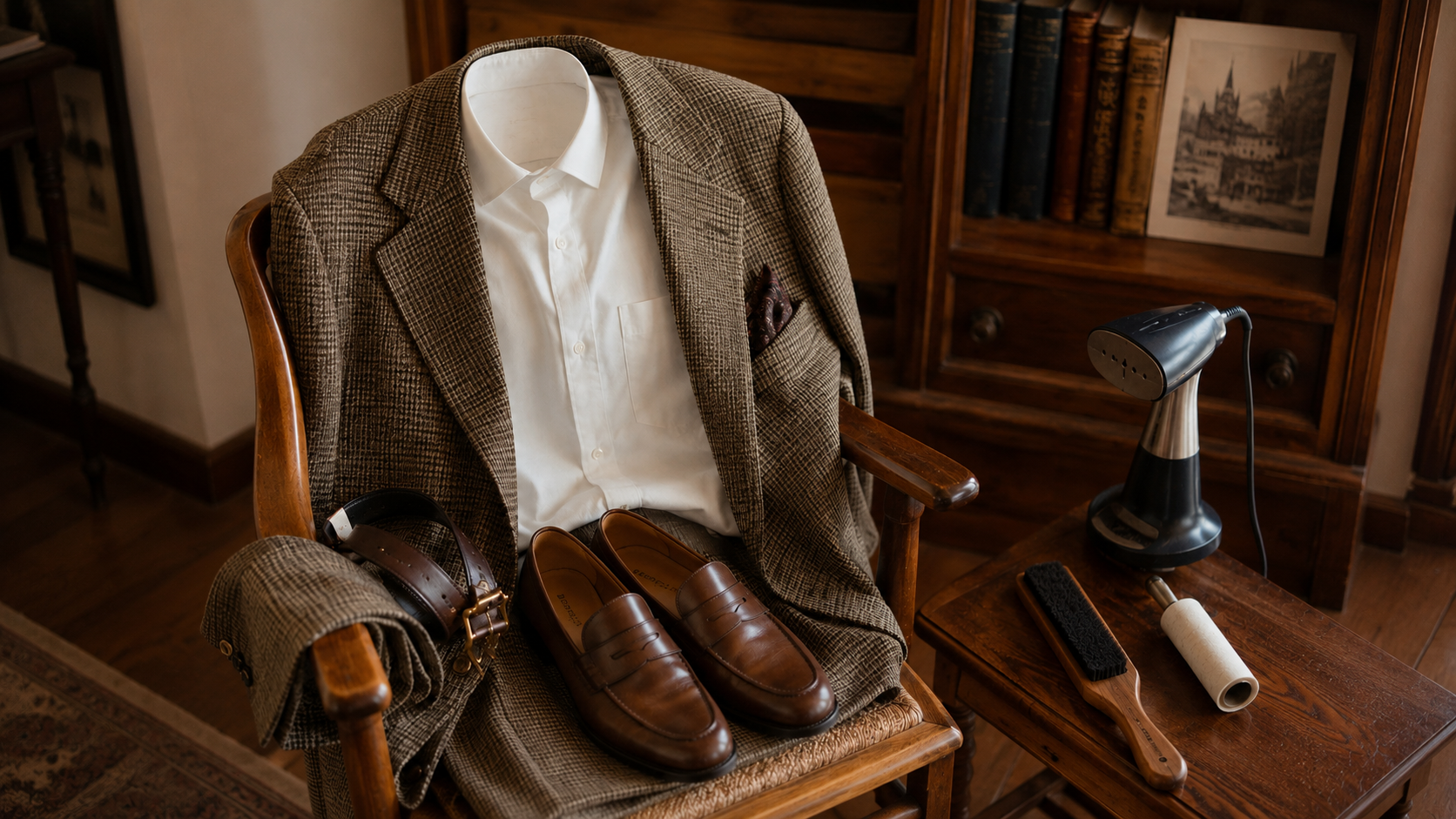
    Age is allowed. Softened leather, settled wool, fading and an old repair can all improve a garment. Neglect is different. Lint, collapsed shape, loose buttons, tired shoes and a hem quietly giving up beneath you make even good clothes look accidental.

    The useful question is therefore not how to make something look new.

    It is whether the garment is worth restoring, and which visible details are stopping it from looking as good as it could.

    Continue reading
  • How to Build a Storybook Wardrobe Without Looking Like You’re in Costume

    How to Build a Storybook Wardrobe Without Looking Like You’re in Costume

    A A storybook wardrobe is not about dressing like you are on your way to a fancy-dress party. Capes, plastic crowns and theatrical waistcoats can stay if they are genuinely your thing; they simply are not the requirement.

    At its best, a storybook wardrobe is translated rather than copied. It can be quiet or loud, romantic or severe, tidy or slightly disreputable. What matters is that the clothes carry some of the character, texture and atmosphere you like in books and fantasy while still making sense in ordinary life.

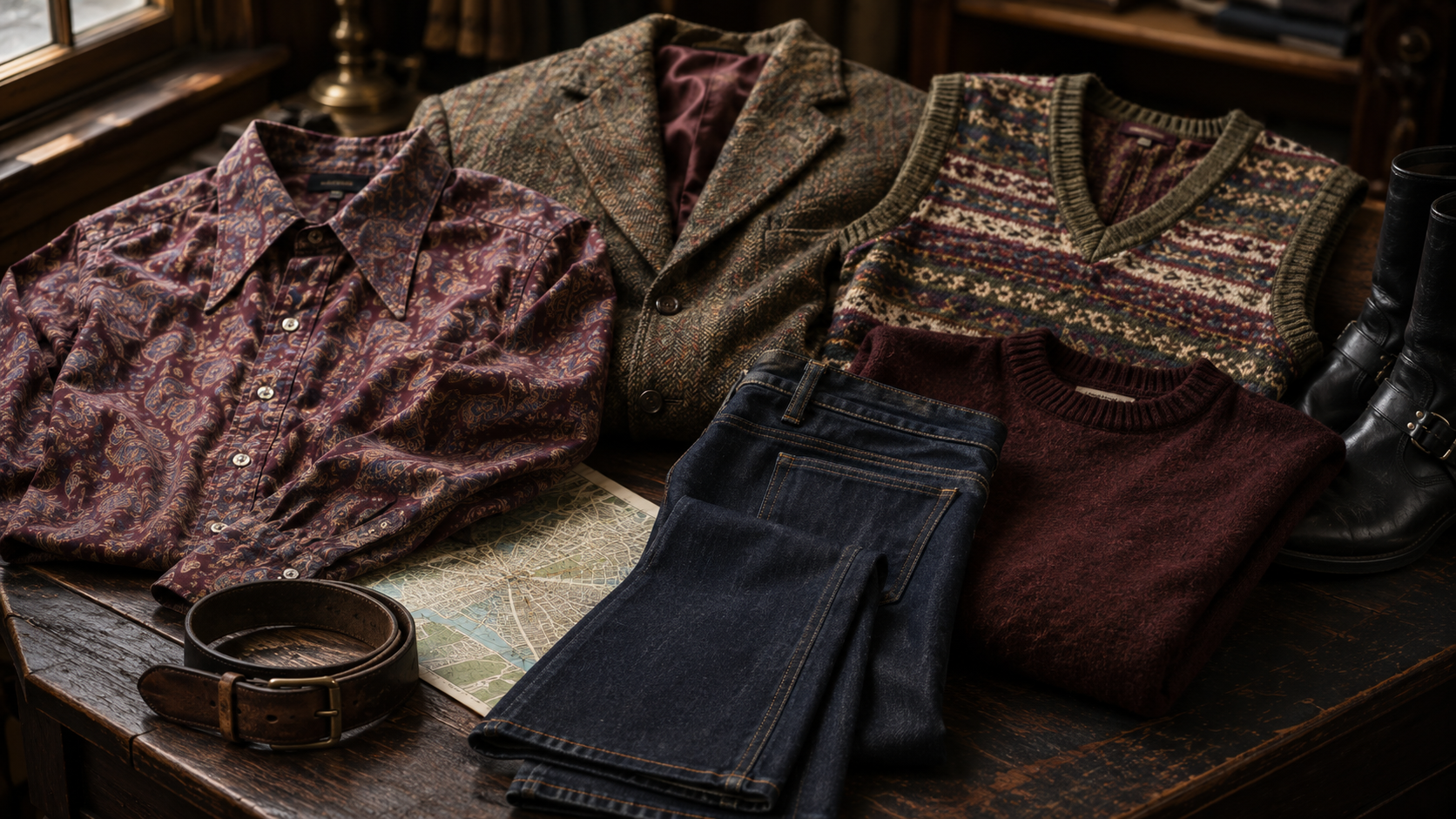
    That might mean a soft wool coat, a battered leather satchel, a vintage blazer, polished boots, a heavy knit, a dramatic collar or a dark floral shirt. It might be almost entirely ordinary clothes put together with unusually deliberate proportions and colour.

    The useful test is simple: would the outfit still make sense if nobody understood the reference?

    If it would, you are probably building a wardrobe rather than assembling a costume.

    Continue reading